
For too long students have been learning only administrative IT skills at school. (Andrews, 2016). As an epidemic of technological advancements continue to develop in modern society we, as educators, need to consider how to improve the way we teach our students computer science concepts and skills (Schmidt, 2016), Not only to equip young people with the skills they need to survive in a technologically advancing society, but also to foster interest in professional career options. Research suggests that too many workers in the current workplace lack the skills necessary to navigate their way around the digital systems that exist today. (Andrews, 2016). Ultimately, training students in computational thinking skills will equip today’s students with creative and digital capabilities to combat the dilemmas faced by many civilians today.
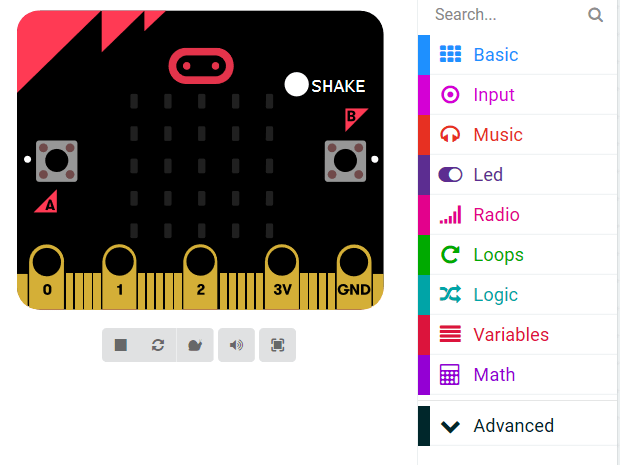
The Micro:bit is well known for its simple platform structure and ease of use, making it extremely attractive to both students and teachers. (Schmidt, 2016). This technology eliminates the hurdle that coding is to hard with its simple, colourful and accessible structure. (Andrews, 2016). However, despite its simplicity it is powerful enough to allow students to create a number of creative applications. (Schmidt, 2016). Different creations include bag alarms, stress level indicators, burglar alarms and even simple games. For example, in class this week we learnt how to code and instruct the micro:bit to play the famous game ‘scissor, paper, rock’.
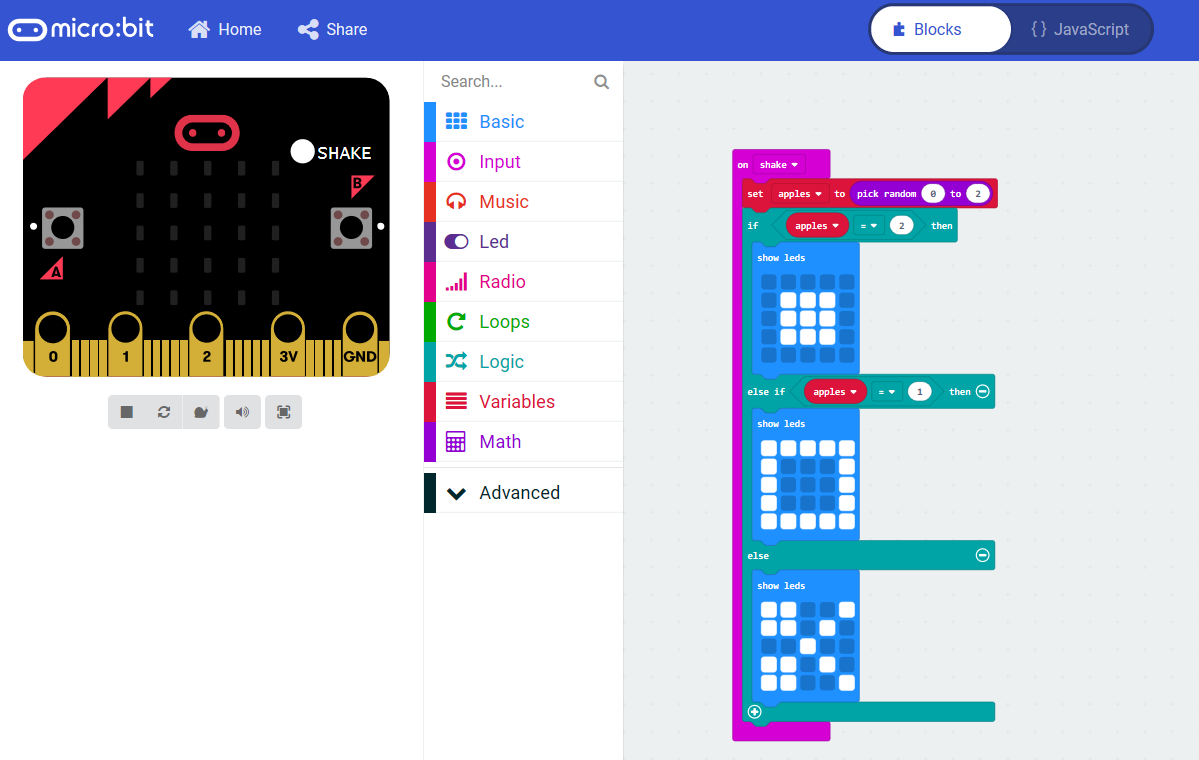


Wing (2006) states that computational thinking “involves solving problems, designing systems and understanding human behaviour by drawing on concepts fundamental to computer science.” With this in mind, the micro:bit does assist in the development of creative and computation thinking as students are using these technologies to create products they haven’t considered before. However, the technology doesn’t allow widespread opportunities for students to create and design their own unique concepts and ideas. The micro:bit simply creates a path to direct and develop students’ skills to competently apply their understanding and knowledge of the technology’s functions to other avenues. (Kafai, 2016). This ultimately means that the program builds students’ skills to apply their prior knowledge of coding, technology and computational thinking to design and create unique ideas through more complex technological opportunities.
References:
Andrews, C. (2016). BBC micro:bit – a little bit too late? [IT education]. Engineering & Technology, 11(4), 30-33.
Kafai, Y. (2016). From Computational Thinking to Computational Participation in K–12 Education. Association For Computing Machinery. Communications Of The ACM, 59(8), 26-27.
Schmidt, A. (2016). Increasing Computer Literacy with the BBC micro:bit. IEEE Pervasive Computing, 15(2), 5-7.
Wing, J. M. (2006). Computational thinking. Communications of the ACM, 49(3), 33-35.
 Exploring Digital Creativity In Education